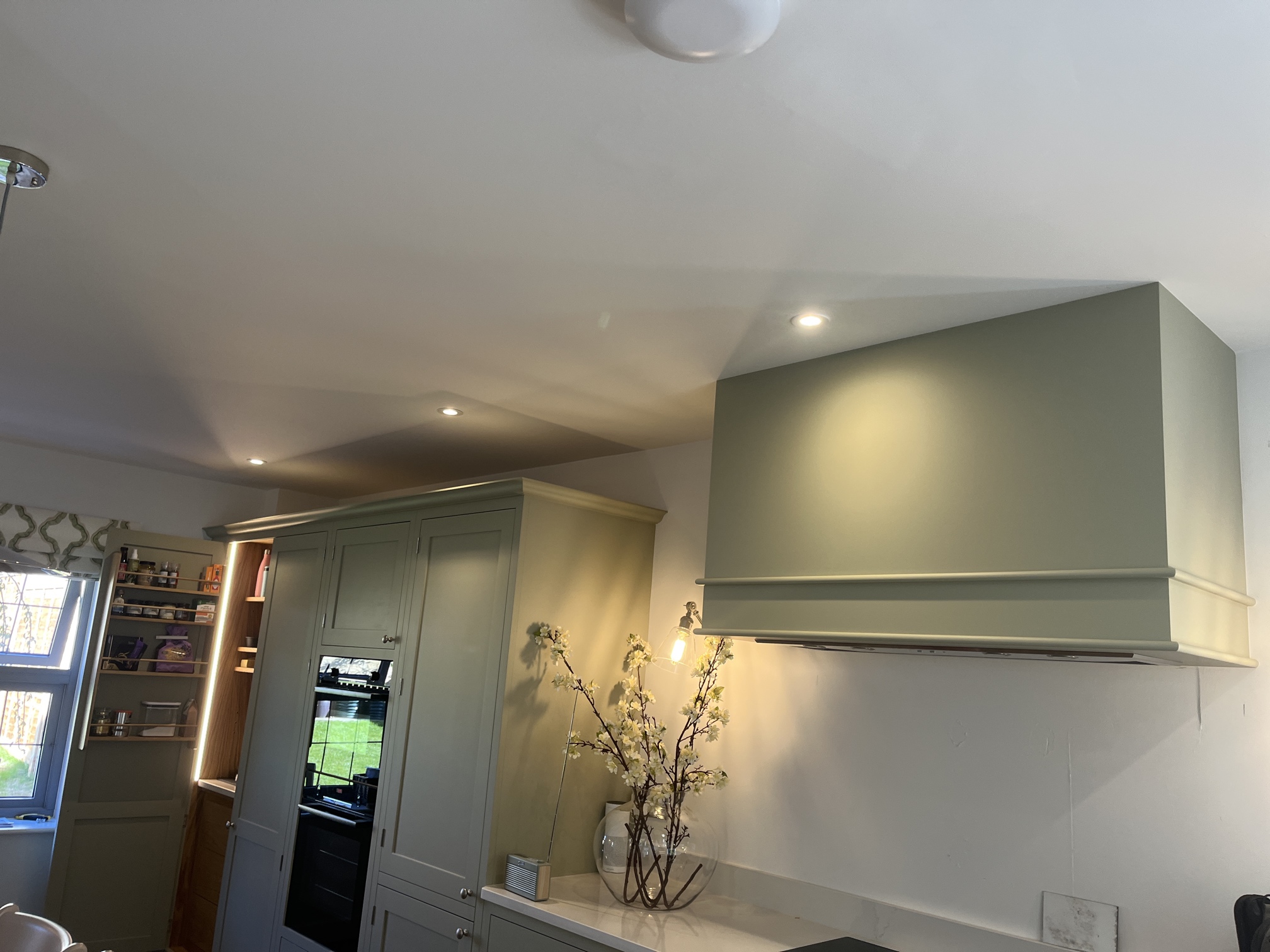
A bespoke kitchen in Bath is a kitchen designed, made and fitted for one specific home. It uses custom measurements, tailored storage, chosen materials and planned installation rather than standard cabinet sizes and fixed layouts.
For Bath homeowners, and element of bespoke kitchen design is needed as many local homes have period details, uneven walls, alcoves, chimney breasts, high ceilings or listed building considerations. A well-designed bespoke kitchen should suit the property, support daily use and feel built into the room rather than placed inside it.
Key Points for Bath Homeowners
- A bespoke kitchen is made around the room, not a standard product range.
- Bath’s period homes often need custom cabinetry and careful fitting.
- Bespoke design gives more control over storage, layout, materials and appliances.
- Installation quality affects the final result as much as the design.
- Planning should cover cabinetry, worktops, electrics, plumbing and appliances before fitting starts.
What Does Bespoke Kitchen Mean?
A bespoke kitchen is made to suit a specific client, home and specification. The design should account for the exact room dimensions, household routines, storage needs, appliance choices and preferred finishes.
Bespoke kitchens can include custom cabinet sizes, handmade doors, specialist paint colours, tailored larders, integrated appliances, natural stone worktops and cabinetry designed around architectural features.
The main advantage is control. Instead of adapting a standard kitchen to fit the room, the kitchen is planned around the space from the start.
Bespoke Kitchen vs Fitted Kitchen
A fitted kitchen usually uses modular cabinets in standard sizes. The installer adapts these units with fillers, trims and adjustments.
A bespoke kitchen gives more flexibility. Cabinets can match awkward measurements, work around chimney breasts, use alcoves properly and fit the proportions of the room.
This matters in Bath because many homes were not built around modern kitchen layouts. A Georgian townhouse, Victorian terrace or older cottage may need a more considered approach than a standard kitchen range can offer.
Why Bespoke Kitchens Suit Bath Homes
Bath has many period and character properties. These homes often include features that need careful planning, such as original skirting, sash windows, uneven floors, alcoves and fireplaces.
A bespoke kitchen can respect those details while adding modern storage and appliances. Cabinets can be made to suit the height of the room, the width of an alcove or the line of an existing wall.
In listed homes or conservation areas, homeowners should also check whether proposed changes need consent before altering historic fabric.
What Should a Bespoke Kitchen Include?
A good bespoke kitchen should combine appearance, practicality and build quality.
The layout should support how the household cooks, stores food, cleans, entertains and moves through the room. Storage should be planned around real items, including pans, tableware, dry goods, bins, small appliances and cleaning products.
Material choice also matters. Painted timber, oak, walnut, quartz, granite, marble and porcelain can all work well, but each has different maintenance needs. Natural stone worktops need accurate templating, strong support and careful handling during installation.
Appliances need the same level of planning. Integrated ovens, refrigeration, dishwashers, extraction and boiling water taps all require correct measurements, ventilation, plumbing, electrics and access for future servicing.
Why Installation Quality Matters
A bespoke kitchen can use excellent materials and still disappoint if the fitting lacks precision.
Cabinets need to be level, doors need consistent gaps, worktops need proper support and appliances need correct clearances. Plumbing, electrics and extraction should be planned before fitting begins, not solved on site under pressure.
This is where a skilled kitchen installer protects the value of the design. In premium kitchens, small errors can affect expensive finishes, especially stone worktops, handmade cabinetry and integrated appliances.
Common Mistakes With Bespoke Kitchens
The most common mistake is focusing on the showroom design while underestimating the installation.
Other mistakes include choosing materials without understanding maintenance, leaving electrics too late, ignoring appliance ventilation, underestimating lighting, forgetting worktop access and accepting poor alignment around doors and drawers.
Bath homeowners should also check floor levels, wall condition and service routes before fitting starts. Older properties often need preparation before cabinetry can be installed to a high standard.
FAQ
Is a bespoke kitchen worth it?
A bespoke kitchen can be worth it when the home has unusual dimensions, period features or premium design requirements. It gives better control over layout, storage, materials and finish.
What is the difference between bespoke and made-to-measure kitchens?
A bespoke kitchen is designed around the client, room and full specification. Made-to-measure often means adapting existing designs to specific dimensions.
Do bespoke kitchens work in small kitchens?
Bespoke kitchens can work well in small rooms because cabinets can use awkward spaces, shallow areas and tight corners more effectively than standard units.
Can a bespoke kitchen work in a listed Bath property?
A bespoke kitchen can suit a listed property, but homeowners should check consent requirements before changing walls, floors, fireplaces, windows or historic details.
How long does a bespoke kitchen take to install?
Installation time depends on room size, preparation work, appliance complexity and worktop choice. Stone worktops, service changes and building work usually extend the programme.
Conclusion
A bespoke kitchen is designed, made and fitted around one home. For Bath homeowners, this approach can work well in period properties, awkward layouts and premium renovations.
The best results come from pairing good design with careful installation. Cabinets, worktops, appliances, electrics, plumbing and finishing all need proper planning. A bespoke kitchen should look right for the property, function well each day and stand up to long-term use.